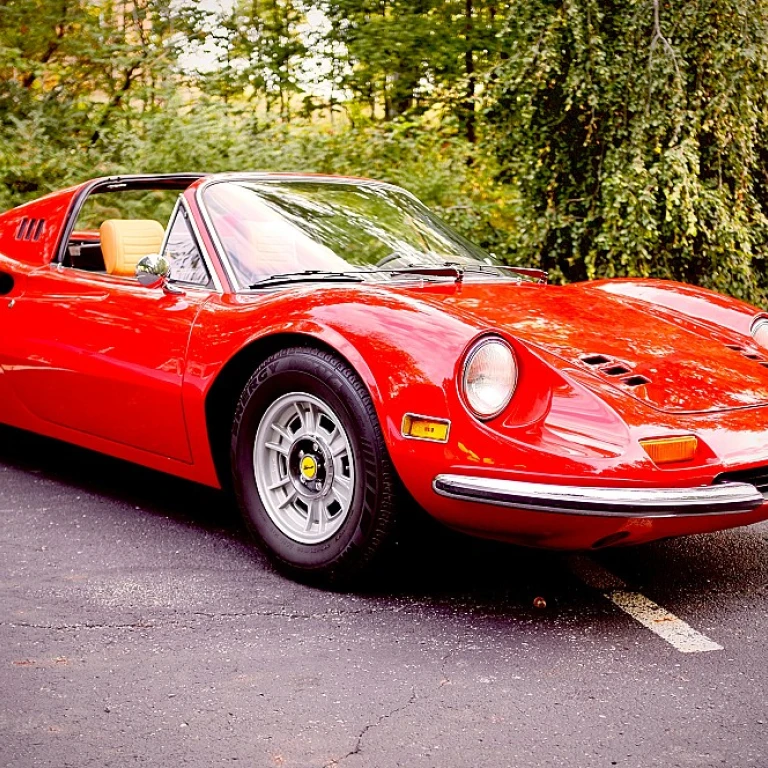
Heritage of French sports cars
From Art Deco to Modern Icons: The Roots of French Sports Cars
France has a long-standing tradition of producing some of the world’s most captivating sports cars. The journey began in the early 20th century, with manufacturers like Bugatti and Delahaye setting benchmarks for both design and performance. These brands didn’t just create cars; they crafted rolling works of art that reflected the spirit of their era. The influence of design and innovation from these early years still resonates in today’s best French sports cars.
- Bugatti Type: Known for its blend of luxury and speed, the Bugatti Type models remain a reference point for collectors and enthusiasts alike.
- Delahaye: These classic cars are celebrated for their art deco styling and engineering prowess, making them a staple at concours events.
- Alpine Renault: With its lightweight construction and rally heritage, Alpine has become synonymous with French sports car excellence.
As the decades passed, brands like Citroen, Peugeot, and Renault continued to innovate. The rise of the hot hatch, especially the Renault Megane and Renault Sport models, brought performance cars to a broader audience. These vehicles offered a unique blend of everyday usability and road-going excitement, reinforcing the reputation of French cars as both practical and thrilling.
Today, the allure of French sports cars lies in their ability to merge heritage with modern technology. Whether you’re considering cars to buy for their exclusivity or looking for the best French performance cars for the road, the legacy of these manufacturers is ever-present. The story of French sports cars is not just about speed; it’s about a culture of innovation, design, and a passion for driving that continues to inspire new generations of enthusiasts.
Design philosophy and aesthetic appeal
French Elegance Meets Motorsport Spirit
French sports cars have always stood out for their unique blend of artistry and engineering. Unlike the aggressive lines of Italian exotics or the clinical precision of German performance cars, French manufacturers like Bugatti, Alpine, and Peugeot approach design with a sense of flair that feels unmistakably tied to France’s culture and history. The result is a collection of vehicles that are as visually captivating as they are thrilling to drive. The influence of art deco is evident in classic cars such as the Bugatti Type 57, where sweeping curves and intricate details reflect a golden era of automotive design. Modern interpretations, like the Alpine A110, carry forward this tradition with light weight construction and sculpted forms that prioritize both beauty and aerodynamics. Even the hot hatch segment, represented by the Renault Megane RS and Peugeot 308 GTi, showcases how French sports cars can balance everyday usability with bold, expressive styling.- Distinctive front grilles and lighting signatures set French cars apart on the road
- Cabin materials often blend luxury with sport, using leather, Alcantara, and brushed metals
- Attention to detail, from the stitching on seats to the shape of the steering wheel, enhances the ownership experience
Performance engineering and technology
Precision Meets Passion: French Performance Engineering
When it comes to performance, French sports cars have always carved a unique path. The country’s manufacturers—such as Alpine, Bugatti, Renault, Citroën, Peugeot, and Venturi—combine a rich heritage with cutting-edge engineering. This blend is evident in both classic cars like the Delahaye and modern icons such as the Alpine Renault and Bugatti Type models.
- Lightweight Construction: French sports cars often prioritize light weight for agile handling. The Alpine A110 is a standout, using aluminum and composite materials to deliver a nimble, road-going experience that’s hard to match.
- Innovative Powertrains: From the turbocharged engines in the Renault Sport and Renault Megane hot hatches to the hybrid technology seen in newer models, French manufacturers are not afraid to experiment. The Bugatti Chiron, for example, pushes the boundaries of what’s possible with its quad-turbocharged W16 engine.
- Chassis and Suspension: French cars are known for their sophisticated suspension setups. Whether it’s the comfort-focused hydropneumatics of Citroën or the track-ready tuning of Peugeot Sport, there’s a focus on balancing comfort and performance.
For enthusiasts, the best French sports cars offer a driving experience that’s both refined and exhilarating. Reviews from sources like Top Gear and Road & Track consistently praise the unique blend of comfort, performance, and style. The Venturi Atlantique is a prime example, delivering impressive speed and handling with a distinct French flair.
Technology is another area where French sports cars shine. Features like advanced aerodynamics, adaptive dampers, and electronic driver aids ensure these cars remain competitive with the world’s best. The Renault Megane RS, for instance, is often cited in articles as one of the top hot hatches for its precision and road feedback.
For those considering which cars to buy, French performance cars offer a compelling mix of price, exclusivity, and engineering. Shipping options for these vehicles are increasingly accessible, making it easier for collectors and enthusiasts worldwide to enjoy the best French sports cars on any road.
Curious about how French engineering compares to other luxury icons? Read this article on the Porsche 996 Carrera 4S for a deeper look at what sets different performance cars apart.
Exclusivity and customization options
Personalization at the Pinnacle of French Automotive Art
When it comes to exclusivity and customization, French sports cars stand apart for their attention to detail and bespoke options. For owners, the allure is not just about driving a high-performance machine, but about expressing individuality through their car. French manufacturers like Bugatti, Alpine, and even Peugeot and Citroen in their sportier models, offer a level of personalization that transforms each vehicle into a unique statement.- Tailored Interiors: From the art deco-inspired cabins of classic Delahaye models to the modern luxury of a Bugatti Chiron, French cars often feature hand-stitched leather, rare woods, and custom finishes. The Alpine Renault A110, for example, allows for a range of interior trims and color palettes, reflecting the owner's taste.
- Exterior Customization: Paint options go far beyond the standard palette. Many French sports cars, including the Venturi Atlantique and select Renault Sport editions, offer exclusive paint finishes, bespoke badging, and lightweight alloy wheels. This level of detail ensures your car stands out on any road.
- Performance Upgrades: For those seeking more than just aesthetics, manufacturers provide performance packages. The Renault Megane RS and other hot hatch models can be equipped with advanced suspension, upgraded brakes, and sport-tuned exhausts, enhancing the driving experience without compromising daily usability.
Ownership experience and community
Living the French Sports Car Lifestyle
Owning a French sports car is more than just a statement of taste—it’s an invitation into a passionate community. Whether you drive a classic Delahaye, a modern Alpine Renault, or a rare Bugatti Type, the experience goes far beyond the road. French car manufacturers have cultivated a culture that values heritage, performance, and individuality. This is reflected in the way owners interact, share, and celebrate their vehicles.
- Exclusive gatherings: Owners of French sports cars often participate in curated events, from art deco-inspired rallies to track days featuring the best French performance cars. These events are opportunities to connect with fellow enthusiasts and see rare models like the Venturi Atlantique or classic Citroën hot hatches up close.
- Clubs and online forums: There are dedicated clubs for brands like Peugeot, Alpine, and Renault Sport, where members exchange reviews, discuss shipping logistics for rare cars, and share advice on sourcing parts for road-going or classic cars.
- Personalization and pride: Customization is a key part of the ownership journey. Many owners invest in bespoke interiors, unique paintwork, or performance upgrades, making each car a reflection of personal style and the best of French design philosophy.
For those who appreciate the artistry of French cars, ownership is also about legacy. Many owners document their journeys, contributing to articles and reviews that help others decide which cars to buy or which models offer the best price-to-performance ratio. The sense of camaraderie is strong, especially among those who cherish lightweight, agile machines like the Alpine or the iconic Renault Megane hot hatch.
Ultimately, the French sports car community is united by a shared appreciation for innovation, style, and the thrill of the drive. Whether you’re reading a review, joining a road trip across France, or restoring a classic, the experience is as much about the people as it is about the cars themselves.
Challenges and considerations for luxury car owners
Practical Realities of French Sports Car Ownership
Owning a French sports car, whether it’s a classic Delahaye, a modern Alpine, or a high-performance Bugatti, is a unique privilege. Yet, the journey is not without its challenges. Luxury car owners often face a set of considerations that go beyond the initial thrill of driving the best French cars on the road.
- Maintenance and Parts Availability: French manufacturers like Renault, Peugeot, and Citroen produce some of the most innovative sports cars, but sourcing genuine parts—especially for rare models like the Bugatti Type or the Venturi Atlantique—can be complex. Shipping times and price fluctuations are common, particularly for classic cars and limited-run performance cars.
- Service Expertise: Not every mechanic is equipped to handle the advanced engineering found in French sports cars. Owners often need to seek out specialists familiar with models such as the Alpine Renault or the Renault Sport hot hatch. This can mean higher service costs and longer wait times.
- Depreciation and Value Retention: While some French cars, especially art deco classics and best-in-class sports models, hold their value, others may depreciate faster than their Italian or German counterparts. A careful review of the market and expert advice is essential before making a purchase.
- Insurance and Legal Considerations: High-performance French sports cars often come with higher insurance premiums. Regulations regarding emissions and modifications can also vary by country, impacting the road-going experience.
Community, Support, and Real-World Use
The French sports car community is passionate and welcoming, offering support through clubs, events, and online forums. Whether you drive a Renault Megane or a rare Bugatti, connecting with other enthusiasts can provide valuable insights and help navigate ownership challenges. However, daily usability remains a consideration. Light weight and performance-focused engineering may mean less comfort on long journeys or limited cargo space, especially compared to more mainstream luxury cars.
For those who appreciate the blend of heritage, design, and performance, French sports cars offer a rewarding ownership experience. Still, it’s wise to weigh the practical aspects—maintenance, price, and real-world usability—before making your next cars buy decision. For more in-depth review and articles on the best French cars and ownership tips, continue to read full features on our blog.
